

The 2025 laureates: sources of inspiration, reflecting the future
They dare to dream big, push the envelope and transform their ideas into action. The White Rose Scholarships laureates personify the courage, curiosity and determination needed to drive the world forward. Their singular journeys, social engagements and achievements show us that excellence is synonymous with boldness, and that knowledge becomes a powerful force when harnessed for the benefit of society. Learn their individual stories—each of them a brief testimonial to a future shaped by the talents and insights of women who are daring to change the world.
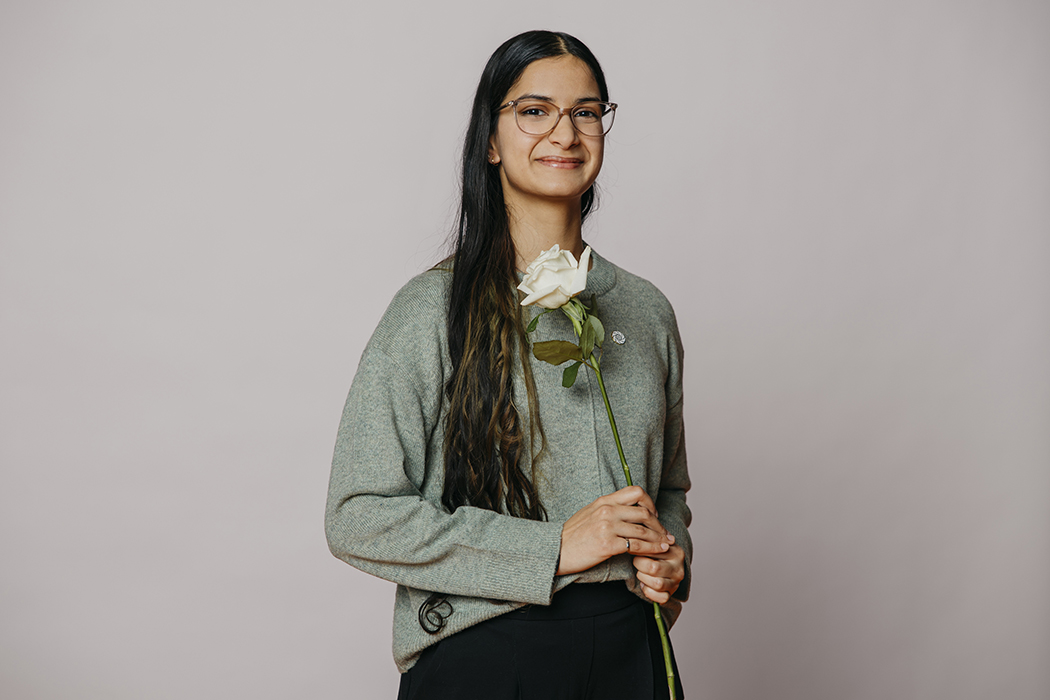 Rabab Azeem
Amazed by the potential of technology to save lives, Rabab Azeem turned to engineering to put artificial intelligence as a force for good. In high school, she caught the spark while working on a bioinformatics project to detect genetic conditions from protein data under the mentorship of a PhD student. After entering Queen’s University in the Bachelor of Computer Engineering program, she became passionate about AI in healthcare, dedicating her thesis to improving medical imaging through generative models. A recipient of the prestigious Schulich Scholarship—selected from more than 300,000 applicants nationwide—this young polyglot also earned a Cansbridge Fellowship that enabled her to complete a research internship in South Korea, where she demonstrated her ability to navigate both technical and cultural barriers. An engaged leader within QMIND and CUCAI, two major AI hubs in Canada, she in turn encouraged hundreds of students to integrate ethics into their projects. Now pursuing a master’s degree in Industrial Engineering at the University of Toronto, she continues her research in health‑focused AI and inspires the next generation of engineers.
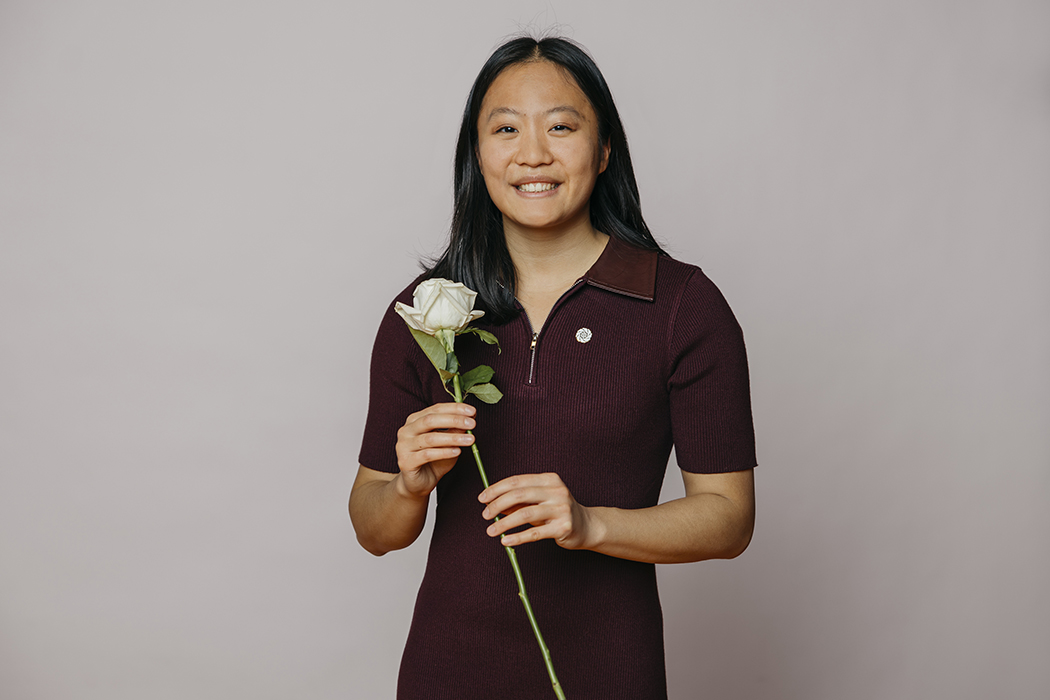 Megan Chang
Dreaming of flying planes since childhood, Megan Chang is now on her way to conquering the skies. A mechatronics engineering graduate from the University of Waterloo, she led the Waterloo Space Research Team in conducting microgravity research and developing a highly complex student space project in partnership with the Canadian Space Agency and the National Research Council. The project won an award and was tested during a parabolic flight. Curious and disciplined, Megan is also a martial arts enthusiast and medal-winning rower who stands out for her technical expertise and ability to solve complex problems. As an author of a student leadership guide, she has also championed equity in STEM through her involvement with the Women in Engineering Committee and by leading workshops for youth. Within the next five years, she hopes to pursue graduate studies in electrical and computer engineering—a still male-dominated field—and become a leader in avionics and national defense. It’s safe to say that for this remarkable student: the sky is the limit.
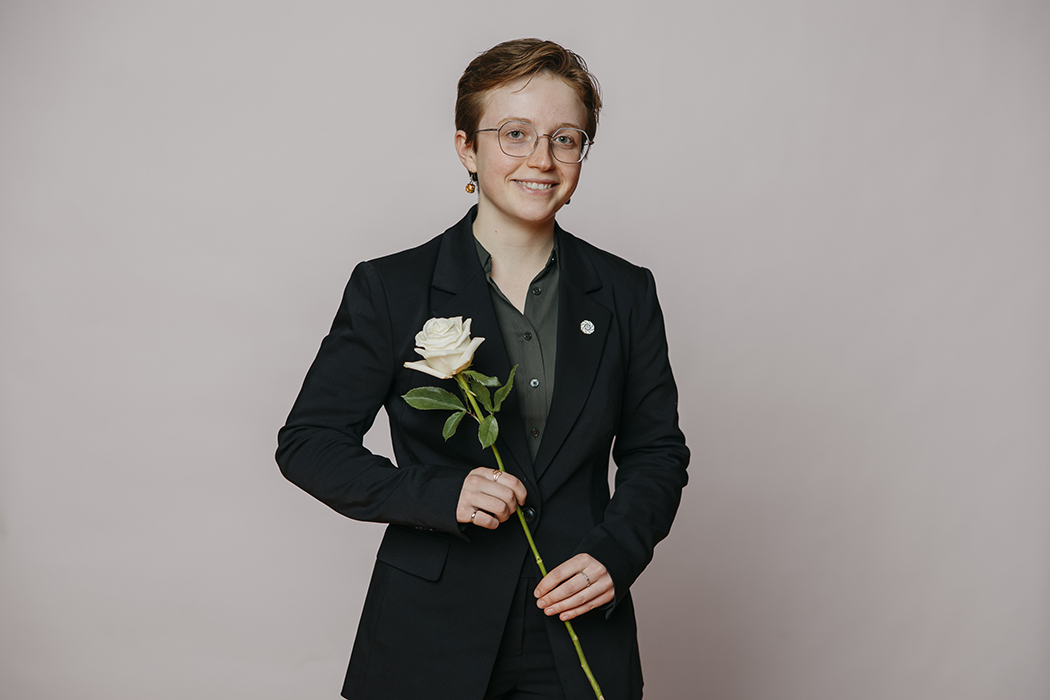 Grace Ciarniello
Grace Ciarniello is one of those who find happiness in the little things. At age 12, the introverted yet curious child began observing grains of sand through a microscope she bought with her own pocket money. From this fascination with the infinitely small, it was only a short step for her to find her place in the field of nanotechnology and photonics—leading her today to pursue a master’s degree in microsystems and nanodevices. Throughout her outstanding academic journey, she has multiplied her community engagements. Through her involvement as President of STARR —a multidisciplinary student project at the University of Alberta that designs and launches sounding rockets— and by mentoring young girls from elementary school to university, she discovered a unique form of leadership, fueled by empathy, discipline, and creativity. Even though she may never be the loudest voice in the room, Grace Ciarniello firmly believes that small details—in science and in life—can make a big difference.
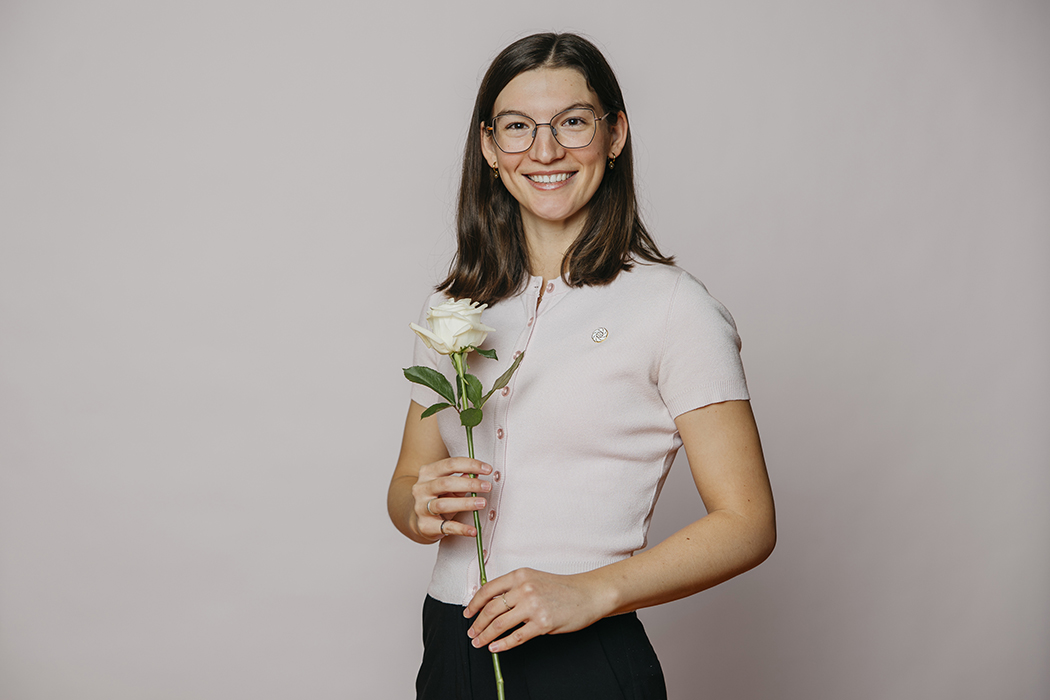 Marie-Ève Fecteau
Engineering in service of humanity—that’s what drives Marie-Ève Fecteau, a master’s student in biomedical engineering at Polytechnique Montréal. Recognized for her academic excellence and social commitment, she is motivated by the desire to build bridges between science and human kind. Throughout her remarkable journey, she has distinguished herself through her research on biomechanical modeling, ultimately earning a scholarship to carry out her master’s project on the design of reconfigurable orthoses aimed at improving the quality of life for children with scoliosis. A cyclist and outdoor enthusiast, she finds it essential to help restore freedom of movement to young children. She also strives to inspire young women who wish to pursue careers in science, serving as an ambassador for the GéniElles committee. At the same time, she has always sought to share her passion with students and children of immigrants through science workshops and tutoring. Committed and inspiring, Marie-Ève Fecteau believes that innovation only makes sense when it helps create a fairer world.
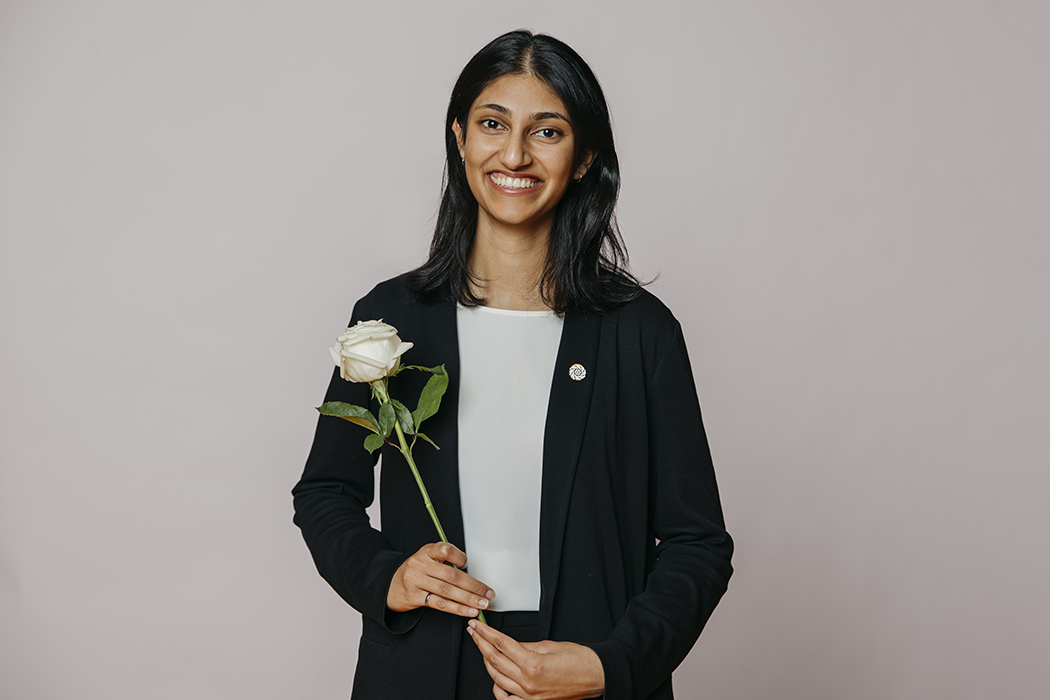 Ashna Jain
Deeply affected by the challenges of accessing clean water in Tanzania, Ashna Jain was only 12 years old when she designed an award-winning bicycle attachment to reduce time spent to transport this water. The following year, she designed a water filter using plant transpiration to provide clean water to communities in India. It’s no wonder that this global citizen—she has traveled to over 80 countries—chose the path of humanitarian engineering and sustainable development. Recognized for her academic excellence and social engagement, this National Scholar and industrial engineering graduate from the University of Toronto (U of T) has spearheaded numerous international initiatives. In addition to serving as co-president of U of T’s Engineers Without Borders chapter, she co-developed a project to assist Ugandan smallholders during droughts, co-designed lowcost neonatal incubators for the Philippines, and investigated social and cultural barriers of adopting biogesters in rural Mexico. Now pursuing her master’s degree, she continues to apply technology to help the most vulnerable populations and dreams of a fairer world.
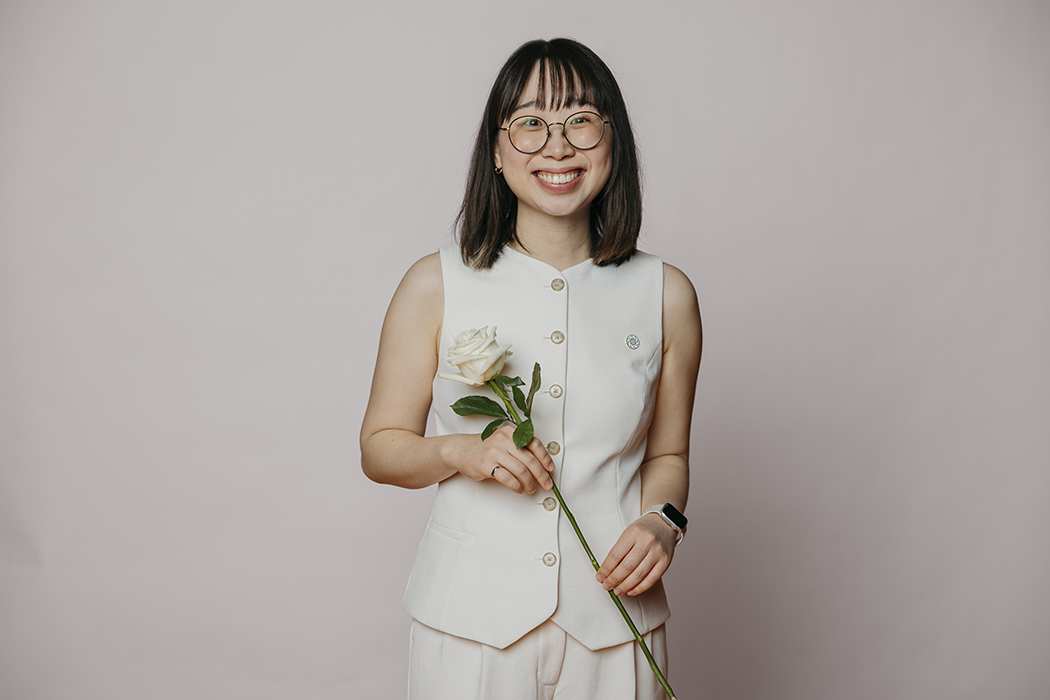 Catherine Ko
Catherine Ko is a Biomedical Engineering student at the University of British Columbia, driven by a passion for innovation in cell and gene therapy and a deep commitment to translating research into therapies. Following an internship at BlueRock Therapeutics and undergraduate research exploring stem cells for diabetes therapy, she continues her work developing bioprocess control systems for stem cell differentiation and manufacturing. Outside the lab, Catherine has demonstrated her leadership through Go Baby Go, an organization that creates adaptive devices for children with mobility disabilities, and has championed inclusivity in STEM through her involvement with Women in Science and Engineering (WISE). Through her work, Catherine Ko seeks to advance both scientific discovery and social impact, while inspiring the next generation of women engineers to pursue their ambitions without limits.
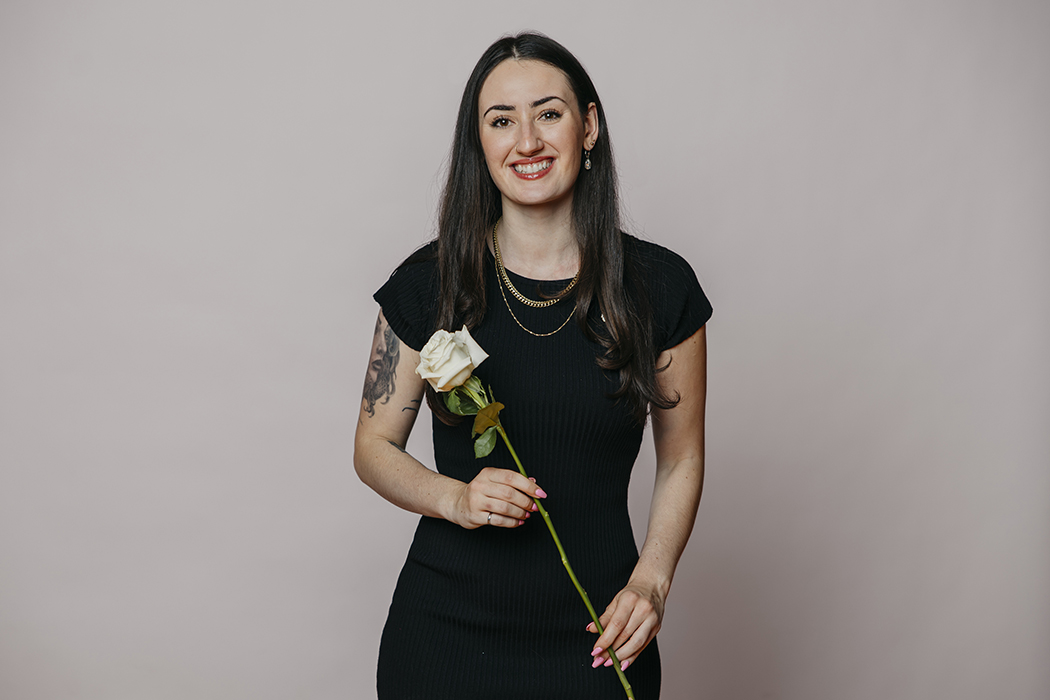 Samantha Krieg
Samantha Krieg’s journey has been anything but conventional. As a teenager, with university feeling out of reach, she turned to fine dining. In this male-dominated field, she earned her place by the age of 20, becoming Chef de Partie in the 4th best restaurant in Canada. Always ready to take on new challenges, she followed her other passion and began studying civil engineering at UBC, where she stood out for her innovative research on materials and seismic resilience. Beyond her academic excellence, she founded student initiatives, mentored her peers, and led internationally recognized research projects. A few years ago, the discovery of a wrist disability made her more aware of the importance of accessibility in the design of new technologies. Now a future PhD student in structural engineering at the University of Canterbury in New Zealand, Samantha Krieg would like to help shape the world around her in her own image: more resilient and inclusive.
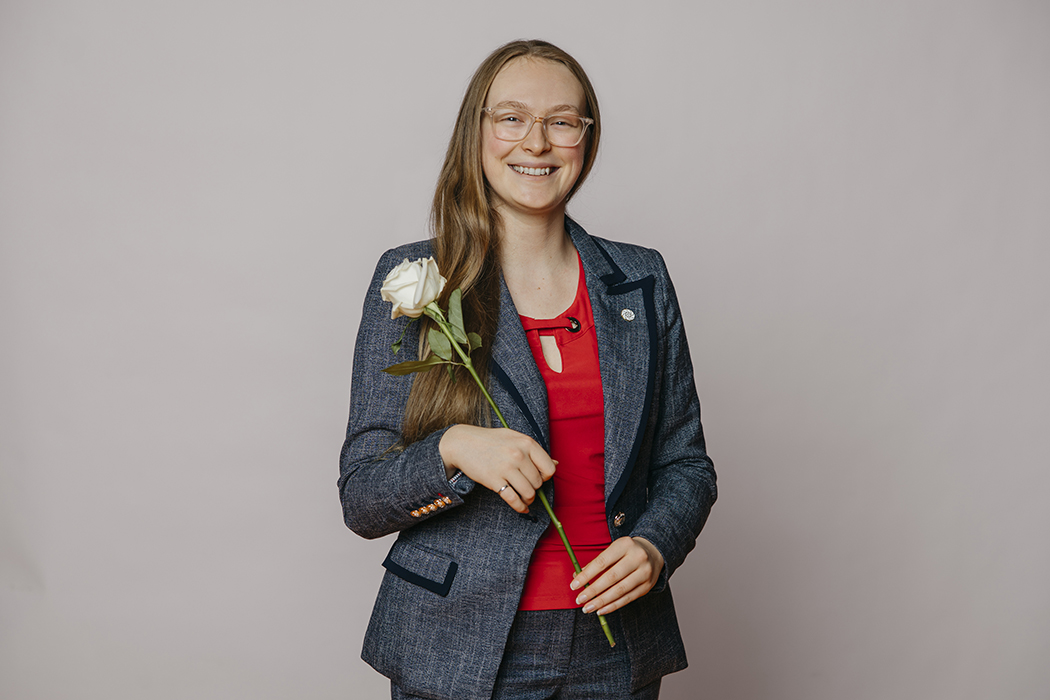 Angéline Lafleur
Driven and naturally curious, Angéline Lafleur, an award-winning researcher specializing in quantum nanotechnology, has carved out a path far from the conventional. In 2017, a video challenging her to learn the Korean alphabet in five minutes launched her on a multiyear adventure with South Korea. After developing a true passion for the language and culture of the country, the young Franco-Ontarian even won awards in Korean public speaking and traditional singing competitions. At just 20 years old, she became the first international undergraduate intern at the Center for Quantum Nanoscience (QNS) in Seoul, where she developed a machine learning model to classify atoms. A proud ambassador for science and engineering among youth—especially Francophones and women—this PhD student in electrical engineering specializing in quantum information at the University of Waterloo is committed to continuing to build bridges between her passions: science and culture.
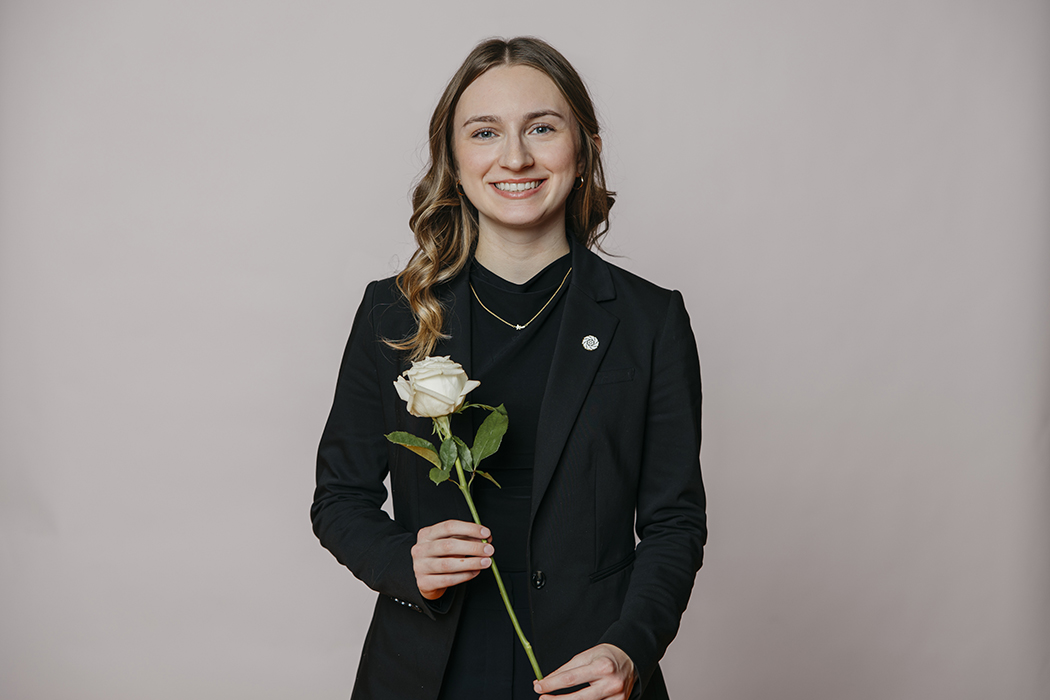 Brooke MacNeil
From elementary school, Brooke MacNeil discovered that she had a place in engineering, a male‑dominated field, thanks to the Go ENG Girl workshops at Ontario Tech University led by women engineers. Later, she in turn inspired young people to pursue STEM by leading workshops in a summer camp within the same organization and then in the robotics club at Queen’s University. Exceptional academically, Brooke graduated at the top of her computer engineering cohort with an almost perfect GPA, earning numerous distinctions. Always seeking to make a tangible impact, she led electrical design for award‑winning biomedical technologies, including a fall‑detection helmet and a respiratory care vest and a 3D ultrasound imaging system. Now in an accelerated master’s program in electrical and computer engineering, she conducts cutting-edge research on home-based robotic rehabilitation for stroke survivors. Talented and dedicated, Brooke MacNeil has what it takes to inspire the next generation of women engineers to follow in her footsteps.
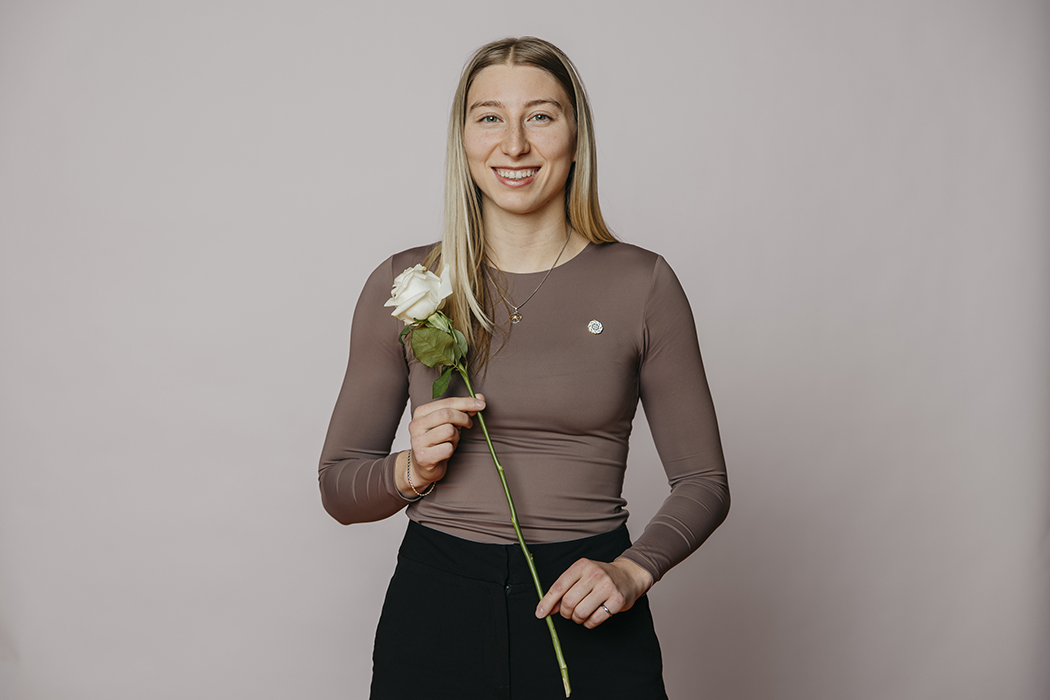 Marissa Myhre
Fascinated by the stars, Marissa Myhre has become one herself. After a youth marked by hardship, the young woman gifted in sciences has shown courage and determination to carve her path as a university student in space engineering, standing out as one of the brightest of her generation. Honoured repeatedly for her academic excellence, Marissa has contributed to groundbreaking research and satellite missions, including RSONAR 2 and Redwing, while pioneering innovative approaches in space sustainability. Despite her rising-star trajectory, she has always been committed to giving back to her community. In addition to mentoring and encouraging young people to explore STEM, she also supports women struggling with addiction, offering them a message of hope and resilience. An avid skydiver and extreme sports enthusiast, Marissa has never been afraid to take the leap. By pursuing graduate studies, she aims to keep pushing the boundaries of space research and to show that sometimes, you have to dare to fall in order to soar.
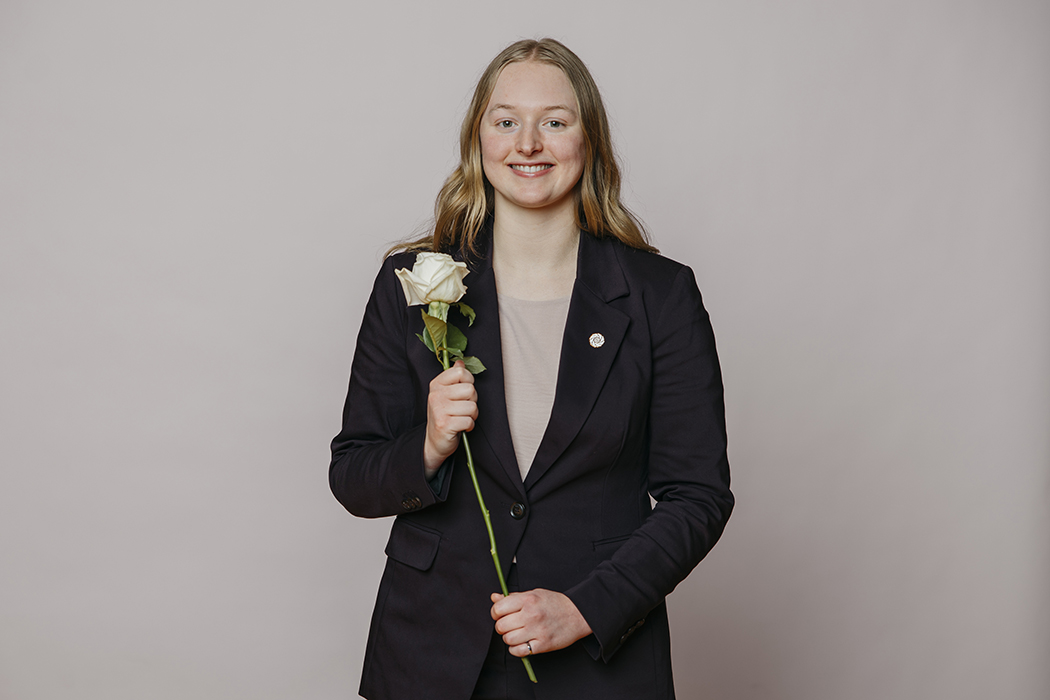 Kaitlyn Root
Kaitlyn Root has all the qualities of a champion: this Biological Engineering graduate from the University of Guelph strives to push her limits while seeking to make a real impact on society. A former athlete on the women’s varsity fencing team—where she was named Most Valuable Player in 2023—she has always excelled at balancing academic success with community engagement. As Engineering Director for iGEM Guelph, Kaitlyn led interdisciplinary teams in award-winning synthetic biology projects, including 3D-printable lab tools and bioremediation scaffolds, earning gold and silver medals at the iGEM Grand Jamboree in Paris. A recipient of the Helen Grace Tucker Award, she designed an innovative filtration system for her capstone project to remove pharmaceutical contaminants from wastewater. Deeply committed to environmental issues, she also engaged with youth by leading educational workshops as part of the Ontario Nature Youth Council. Now a master’s student, she continues to fuel her passion for sustainability by exploring the valorization of dairy waste streams using microbial fuel cells, a promising technology for sustainable energy production.
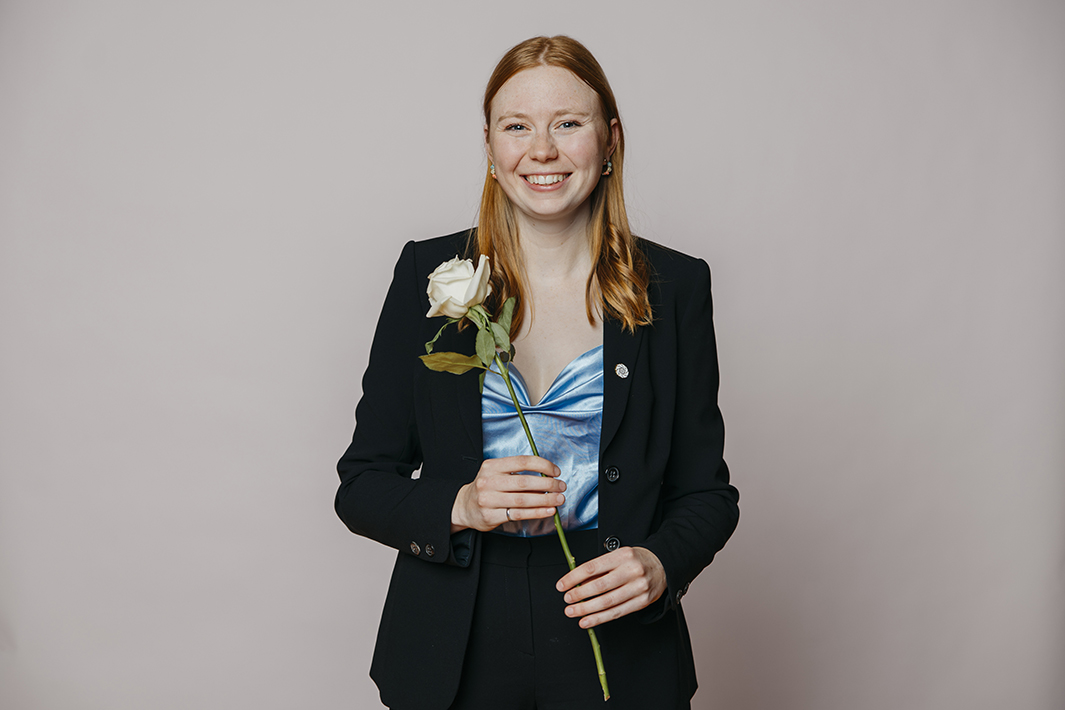 Hanna Sigurdson
Hanna Sigurdson is an emerging leader in the field of microrobotics, currently pursuing her PhD at Harvard University. Coming from a family of engineers, this biomedical engineering graduate from the University of Toronto says she has found her own path: improving healthcare through innovation. Convinced that the future of medicine lies in the synergy between technology and biology, she conducts interdisciplinary research with the potential to revolutionize the way we provide care, from bio‑inspired robots to artificial tissues designed for transplants. Throughout her remarkable academic journey, she has gained international research experience in the United States and Switzerland, developing advanced skills in tissue engineering, microrobotics, and experimental design. Socially engaged, Hanna has led basketball teams, promoted the inclusion of women and non‑binary people in engineering, and represented thousands of engineering students on the intramural sports council. These strong community experiences, like those in science, have taught her the importance of creating spaces where everyone can thrive.
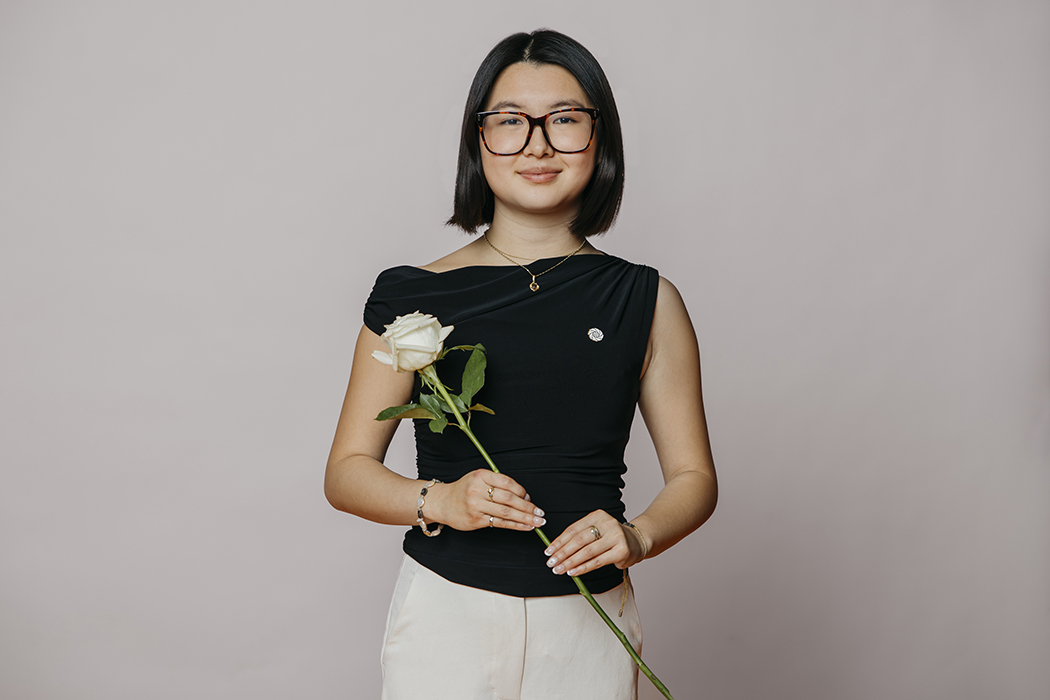 Angela Wang
Angela Wang had a life-changing moment when she met a resilient man living with locked-in syndrome who used an eye-tracking system to communicate. Fascinated by assistive technologies, the student—then beginning her studies in bioengineering at McGill University—set herself a mission: to put engineering in service of humanity by combining neurotechnology with inclusive design. As a NeurotechX team lead, she developed a brain-computer interface spelling system for nonverbal users. Working with non-profit organizations, she also designed tools that enable students with disabilities to play drums in music therapy programs. Beyond her technical innovations, this master’s student at UBC is deeply socially engaged: she has coached swimmers with intellectual disabilities, mentored women and racialized students in STEM, and created inclusive physical education programs. Angela Wang now hopes to pursue further graduate studies in clinical applications, so she can continue transforming lives—just as others have transformed hers.
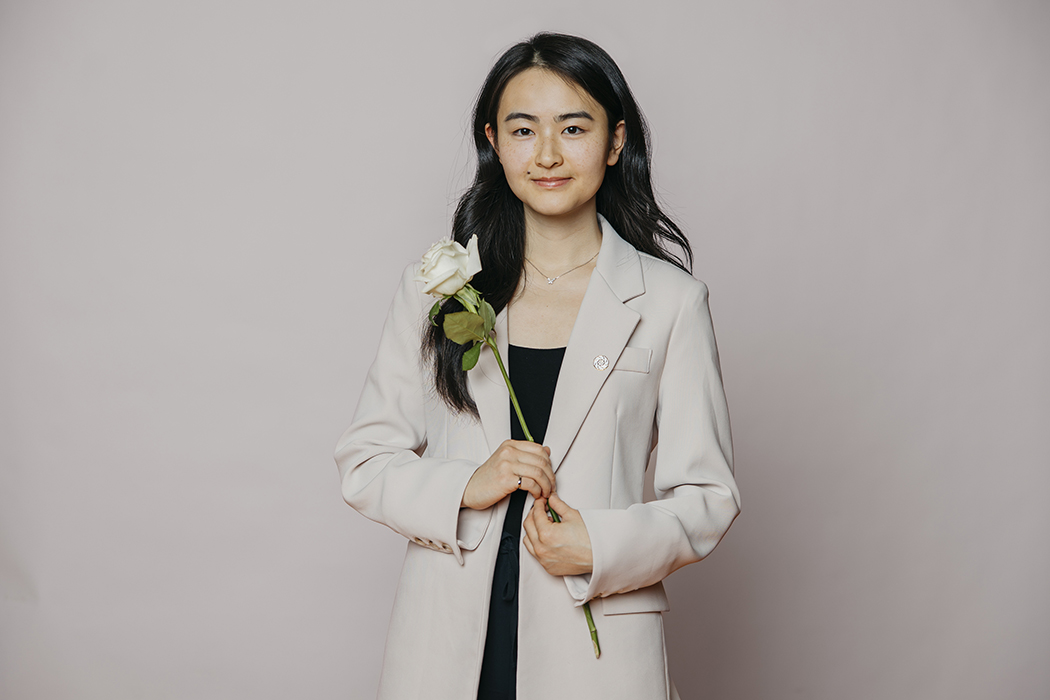 Ruth Yu
A graduate in Biomedical Engineering from the University of British Columbia (UBC), Ruth Yu embodies a true trilogy of excellence: academically outstanding, socially innovative, and deeply committed to her community. Supported by prestigious awards—including the Engineers Canada Leadership Scholarship—this now-master’s student ranked among the top 5% of her cohort and appeared on the Dean’s Honour List throughout her undergraduate studies. In the lab, she developed an innovative microfluidic method to map the genomic profiles of heterogeneous tumors, aiming to make prostate cancer diagnosis more precise and clinically accessible. Beyond research, she is an engaged community leader: inspired by a high school chemistry teacher, she now shares her passion for science and engineering through youth workshops promoting STEM in Vancouver schools and through the Canadian undergraduate Biomedical engineering Council. Ruth Yu pursues a clear vision: to design equitable, interdisciplinary biomedical technologies to advance cancer research.
