en event

Resilience

Science, Engineering and Innovation
in Support of Canada's Resilience
and Technological Sovereignty

2026, October 15 and 16

Science, Engineering and Innovation in Support of Canada's Resilience and Technological Sovereignty

Against a backdrop marked by accelerating technological change and a proliferation of complex crises, Polytechnique Montréal will bring together researchers, government representatives, industry leaders, and strategic partners on October 15 and 16, 2026, to collectively reflect on the challenges of technological sovereignty and societal resilience.  This strategic summit aims to highlight the ways in which science, engineering, and technology can help address these challenges effectively and sustainably.

Through keynote presentations, interdisciplinary discussions, and scientific workshops, the event will explore the major geopolitical, technological, and environmental transformations shaping our era. It will showcase emerging solutions stemming from research and engineering that can strengthen Canada's resilience and enhance its capacity to adapt in an ever-changing environment.


Programme

Day 1 - October 15

8:00 a.m. – Registration and Networking

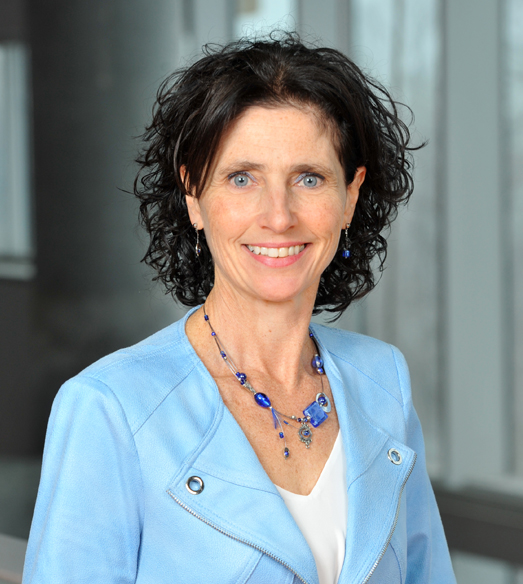
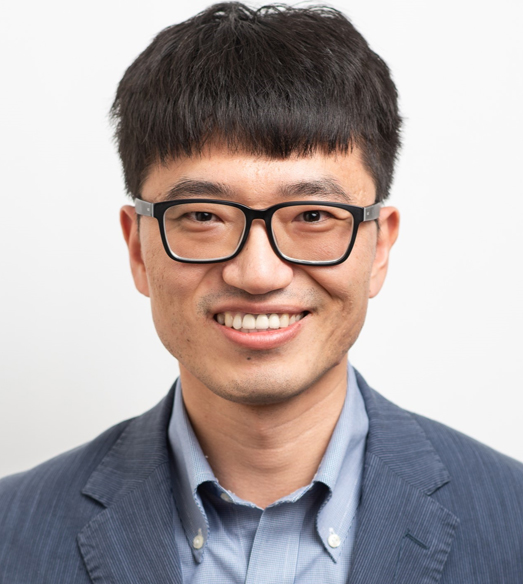
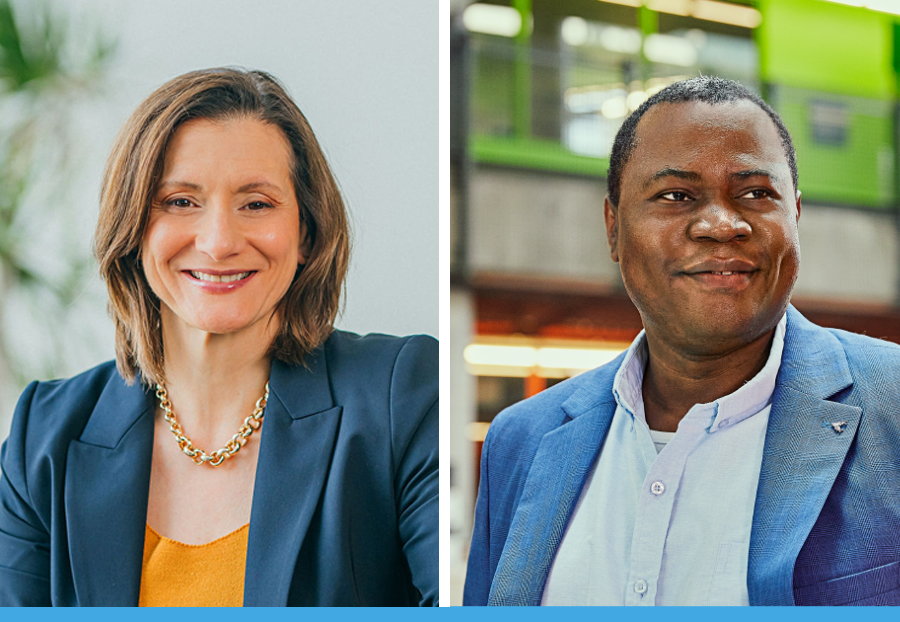
8:30 a.m. – Official Opening by Polytechnique Montréal President, Maud Cohen, and Vice President, Research and Innovation, Foutse Khomh

9:00 a.m. – Opening Keynote Address
Science, Innovation and Sovereignty in a Changing World

9:30 a.m. – Panel Discussion
Building Resilience: Scientific, Industrial and Strategic Alliances

10:30 a.m. ANTICIPATE – SCIENTIFIC WORKSHOPS

  • Forecasting Crises and Supporting Decision-Making
  • Ensuring the Health of Canadians

11:30 a.m. Panel Discussion
Intellectual Property and Technological Sovereignty

12:00 p.m. Lunch

1:00 p.m. Fireside Chat
Artificial Intelligence, Technological Power and Digital Sovereignty

1:45 p.m.  MOBILIZE– SCIENTIFIC WORKSHOPS

  • Strengthening Canada's Strategic Technological Capabilities
  • Deploying Autonomous Mobility Solutions

2:45 p.m. – Break

3:00 p.m. – Panel Discussion
Mobilizing the Industrial Ecosystem: A Winning Business-University Partnership

4:00 p.m. – Closing Remarks

4:15 p.m. – Networking Cocktail Reception

5:30 p.m. –  End of Day One

Day 2 - october 16

8:00 a.m. – Registration and Networking

8:30 a.m. – Opening Remarks by the Vice President, Research and Innovation

9:00 a.m. – Panel Discussion
The Arctic and Territorial Sovereignty

9:45 a.m. – Fireside Chat
Space as the New Scientific and Strategic Frontier

10:30 a.m. – Break

11:00 a.m.PROTECT– SCIENTIFIC WORKSHOPS

  • Ensuring the Operational Continuity of Essential Services
  • Securing Strategic Supply Chains

12:00 p.m. – Lunch

1:00p.m. – Panel Discussion
Cybersecurity, Digital Infrastructure and Telecommunications

1:45  p.m.ADAPT – SCIENTIFIC WORKSHOPS

  • Achieving the Energy Transition
  • Adapting Infrastructure to Climate Change

2:45  p.m. – Event Wrap-Up

3:15  p.m. – Closing Remarks and Conclusion

Scientific Workshops

ANTICIPATE

Anticipating Crises and Supporting Decision-Making

Lead

Coming Soon

Tomorrow’s crises often begin to take shape long before they emerge. As risks become increasingly complex, the ability to anticipate them depends on a deeper understanding of data, systems, and their interactions. This session explores how science and advanced technologies can inform decision-making and strengthen prevention capabilities.

Scientific capabilities and technologies: data science, monitoring systems, modelling and simulation, digital twins, artificial intelligence.

Safeguarding the Health of Canadians

Lead

Gregory de Crescenzo, full professor, Chemical Engineering Departement, Polytechnique Montréal

Health emergencies require rapid, coordinated, and sovereign responses. From prevention to biomedical innovation, research plays a critical role in protecting populations. This session highlights the scientific capabilities that help anticipate risks, accelerate the development of solutions, and strengthen the resilience of Canada’s healthcare system.

Scientific capabilities and technologies: biomanufacturing, biomedical engineering, biotechnology, digital health, epidemiological modelling.

MOBILIZE

Strengthening Canada’s Strategic Technology Capabilities

Lead

Oussama Moutanabbir, full professor, Engineering Physics Department, Polytechnique Montréal

Health emergencies require rapid, coordinated, and sovereign responses. From prevention to biomedical innovation, research plays a critical role in protecting populations. This session highlights the scientific capabilities that help anticipate risks, accelerate the development of solutions, and strengthen the resilience of Canada’s healthcare system.

Scientific capabilities and technologies: biomanufacturing, biomedical engineering, biotechnology, digital health, epidemiological modelling.

Deploying Autonomous Mobility Solutions

Lead

Pierre Yves Lajoie, Assistant Professor, Computer Engineering and Software Engineering Department, Polytechnique Montréal

Transportation and logistics networks are essential to the functioning of modern societies. Their transformation depends on systems capable of making decisions, learning, and interacting autonomously. This session explores how artificial intelligence and emerging technologies are reshaping mobility and critical infrastructure.

Scientific capabilities and technologies: artificial intelligence, robotics, computer vision, autonomous vehicles, transportation network optimization.

PROTECT

Ensuring Operational Continuity of Essential Services

Lead

Gabriela Nicolescu, full professor, Computer Engineering and Software Engineering Department, Polytechnique Montréal

Energy, water, telecommunications, and transportation are the backbone of resilient societies. As cyber threats and other risks continue to grow, this session presents scientific approaches that help secure these systems and ensure their uninterrupted operation.

Scientific capabilities and technologies: cybersecurity, cyber-physical systems, smart grids, reliability engineering, digital infrastructure resilience.

Securing Strategic Supply Chains

Lead

Nadia Lahrichi, full professor, Mathematics and Industrial Engineering Department, Polytechnique Montréal

Recent disruptions have highlighted the vulnerability of global supply chains. Strengthening their resilience has become a major economic and strategic priority. This session explores the scientific tools and optimization approaches that help anticipate disruptions and improve adaptability.

Scientific capabilities and technologies: operations research, optimization, digital twins, decision intelligence, smart logistics.

ADAPT

Advancing the Energy Transition

Lead

Normand Mousseau, Scientific director, Institut de l'énergie Trottier

Reducing emissions while ensuring a reliable energy supply is one of the defining challenges of our time. Achieving this transition requires major technological innovations and a profound transformation of energy systems. This session presents solutions that can help balance decarbonization, energy security, and resilience.

Scientific capabilities and technologies: energy engineering, smart power grids, energy storage, nuclear and clean fuels, industrial decarbonization.

Adapting Infrastructure to Climate Change

Lead

Coming Soon

Bridges, roads, buildings, and public infrastructure face a dual challenge: aging assets and increasingly severe climate events. Adapting them has become a critical issue for both safety and long-term sustainability. This session highlights scientific advances that enable the design, monitoring, and modernization of infrastructure capable of meeting tomorrow’s challenges.

Scientific capabilities and technologies: advanced materials, civil engineering, digital twins, climate modelling, resilient infrastructure design.

Informations pratiques


Speakers


Coming Soon


Contact Us


For any questions, please contact us at:  resilience2026@polymtl.ca

Venue


Polytechnique Montréal
2500, chemin de Polytechnique, Montréal, QC